
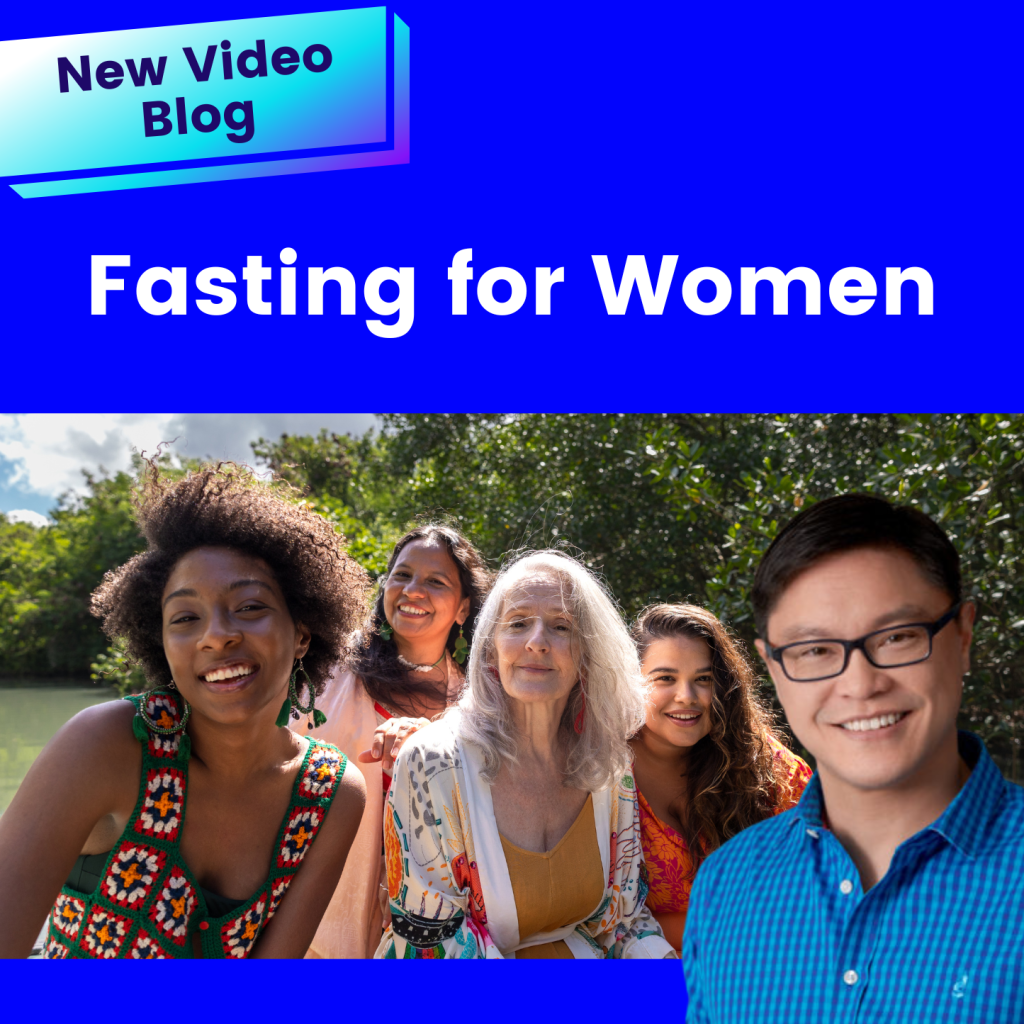

Understanding how your body changes through the menstrual cycle i key to smarter, more effective fasting. In this video, Dr. Jason Fung breaks down the latest science and practical tips to help women fast in sync with their hormones. Whether menstruating, perimenopausal, or postmenopausal — this video will help you optimize your health and fat loss.
What You’ll Learn in This Video:
- How estrogen & progesterone affect hunger and metabolism
- Why fasting feels easier before ovulation
- The ideal time to do longer fasts or intermittent fasting
- How menopause changes fat burning vs. sugar burning
- Why many women gain weight during perimenopause
- Practical tips to adapt your diet through different phases of your cycle
- Personalizing your fasting strategy using your hormone patterns
Science-Backed + Practical Advice
During the first half of your cycle (follicular phase), rising estrogen can suppress appetite and increase your body’s ability to burn fat. This makes it the best time to fast — your cravings are low and your metabolism is geared for fat-burning. After ovulation, progesterone increases appetite and shifts your metabolism toward storing fat, making it a better time to focus on low-carb eating instead of long fasts.
In menopause, estrogen levels drop, appetite increases, and your bod starts burning more glucose than fat. This metabolic shift makes weight gain easier and fat loss harder — but it’s manageable with the right fasting strategies.
BONUS: This video is sponsored by Lumen — get an exclusive discount with the code in the description! Lumen helps you measure your breath to know exactly whether you’r burning fat or carbs, so you can adapt your fasting and diet strategy in real time.
Use this Coupon code for a special 10% promotion:
Coupon Code: DRFUNG


Responses